
Cat Lab Work and Blood Tests in Houston
Laboratory testing plays an important role in understanding your cat’s overall health. Whether your cat is showing symptoms of illness or visiting for routine preventive care, lab work allows veterinarians to detect health problems early and make accurate diagnoses.
At Rice Village Animal Hospital in Houston, we use a variety of diagnostic tests to evaluate your cat’s health and identify potential issues before they become serious. These tests provide valuable insight into organ function, infections, and underlying medical conditions.
Below, our veterinary team explains how cat lab tests work, when they are recommended, and what information they provide about your cat’s health.
What Is Lab Work for Cats?
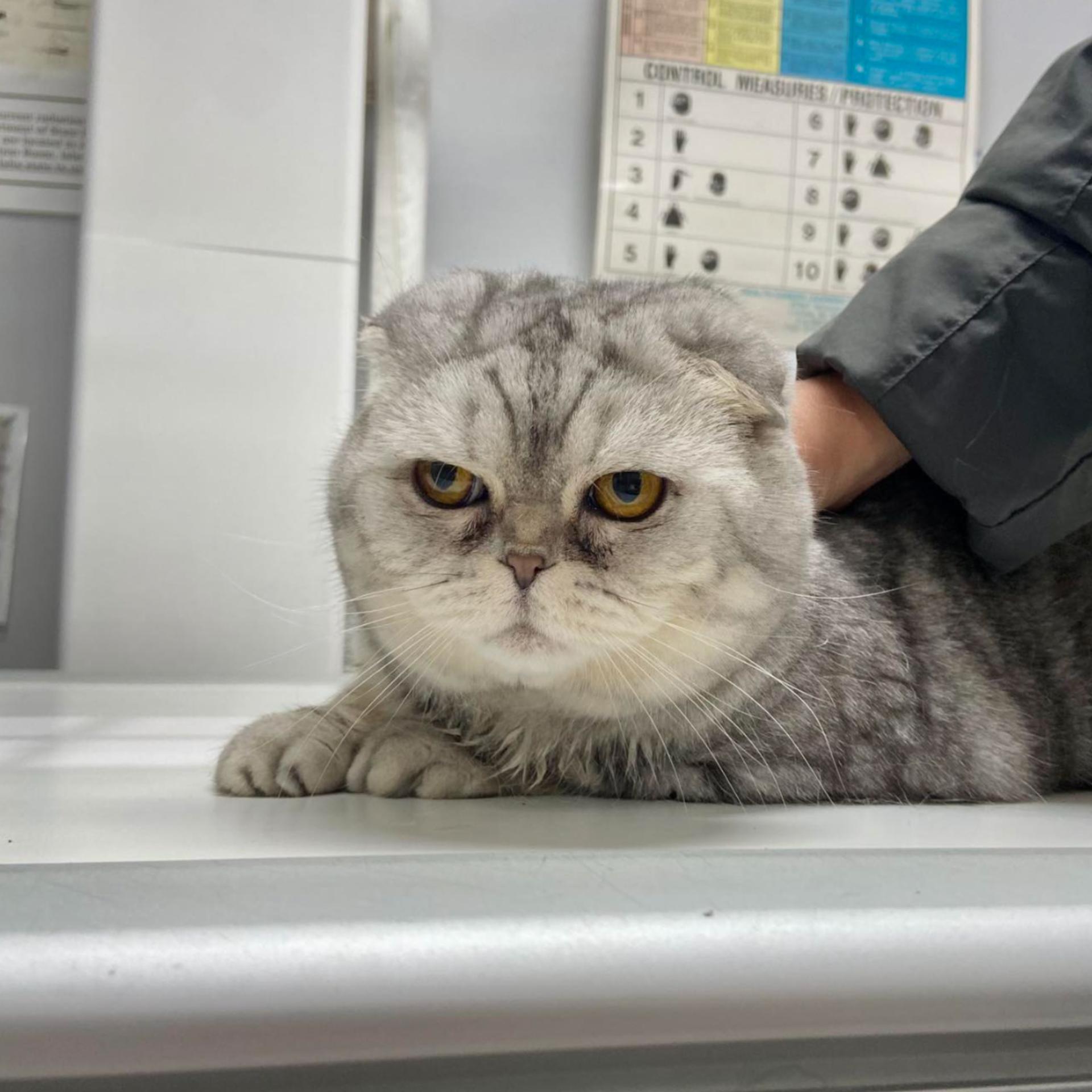
Lab work for cats typically refers to blood tests and diagnostic laboratory testing used to evaluate your cat’s internal health.
A blood sample is collected and analyzed to compare your cat’s results with normal values for healthy cats. This helps veterinarians detect abnormalities and diagnose medical conditions.
In addition to blood testing, lab work may also include:
- urinalysis
- viral disease testing
- other specialized diagnostic tests
These tests help veterinarians understand what is happening inside your cat’s body.
How Is Lab Work Performed for Cats?
To perform blood work, a veterinarian or technician collects a small blood sample from your cat.
In most cases, blood is drawn from the jugular vein in the neck, although samples may also be collected from a vein in the front or back leg depending on the type of test being performed.
Once collected, the sample is analyzed using diagnostic equipment to evaluate blood cell counts, organ function, and other health indicators.
Sometimes laboratory testing also includes a urine sample, which can be collected using special litter or by gently retrieving urine directly from the bladder using a small needle.
Why Is Baseline Lab Work Important for Cats?
Baseline lab work gives your veterinarian a reference point for what is normal for your individual cat.
Having this information in your cat’s medical record allows your veterinarian to monitor changes over time. Even small changes in blood values can help detect disease early, often before visible symptoms appear.
Baseline lab work is one reason annual wellness exams are so important. Because cats are excellent at hiding illness, routine testing can identify hidden problems that might otherwise go unnoticed.
Baseline testing is also helpful when starting medications, allowing veterinarians to monitor how your cat responds to treatment.
When Does a Cat Need Lab Work?
Cats may need lab work for several different reasons.
The most common reason is routine wellness screening, which helps detect hidden health problems early. Many veterinarians recommend yearly blood work for adult cats and more frequent testing for senior cats.
Lab work may also be recommended when a cat is showing symptoms of illness.
Common symptoms that may require lab testing include:
- vomiting
- weight loss
- diarrhea
- gastrointestinal problems
- loss of appetite
- changes in behavior
Testing helps veterinarians identify the underlying cause of these symptoms.
What Conditions Can Lab Work Detect in Cats?
Lab work can help veterinarians diagnose or monitor a wide range of medical conditions in cats.
Common conditions detected through laboratory testing include:
- kidney disease
- liver disease
- diabetes
- thyroid disease
- heart disease
- urinary tract infections
- viral infections such as feline leukemia virus (FeLV) or feline immunodeficiency virus (FIV)
Early detection of these conditions allows veterinarians to begin treatment sooner and improve long-term outcomes.
What Tests Are Included in Cat Blood Work?
A typical feline blood panel includes several different types of tests.
Complete Blood Count (CBC)
A CBC evaluates:
- red blood cells
- white blood cells
- platelet levels
These results help identify infection, inflammation, anemia, or immune system problems.
Blood Chemistry Panel
A blood chemistry panel evaluates how well your cat’s organs are functioning.
These tests measure markers related to:
- kidney function
- liver function
- pancreatic health
- thyroid hormone levels
- blood sugar
Urinalysis
A urinalysis evaluates the health of your cat’s urinary system.
This test looks for:
- bacteria
- red or white blood cells
- crystals
- abnormal protein levels
Urinalysis can help diagnose urinary tract infections and kidney problems.
What Do Veterinarians Look for in Cat Blood Work?
Blood tests provide detailed information about your cat’s internal health.
Veterinarians often evaluate several key markers when reviewing lab results.
Kidney Function
Kidney health is evaluated using markers such as:
- blood urea nitrogen (BUN)
- creatinine
If the kidneys are not functioning properly, these toxins can build up in the bloodstream.
Liver Function
Liver health is assessed using enzymes such as ALT and other liver markers.
Abnormal results may indicate liver disease or conditions such as hepatic lipidosis.
Blood Sugar Levels
Blood glucose levels are evaluated to detect diabetes.
However, mild increases in blood sugar can occur because cats often experience stress when visiting the veterinarian.
Viral Disease Screening
Viral Disease Screening
Veterinarians may test new cats for contagious viruses including:
- feline leukemia virus (FeLV)
- feline immunodeficiency virus (FIV)
These viruses can spread between cats and impact long term health.
What Are Electrolytes in Cat Blood Work?
Electrolytes are minerals in the bloodstream that help regulate many important body functions.
Common electrolytes measured during lab work include:
- sodium
- chloride
- potassium
Electrolyte imbalances can occur in cats experiencing vomiting, dehydration, or other illnesses.
Is Blood Work Enough to Diagnose My Cat?
While blood work provides valuable diagnostic information, veterinarians do not rely on lab results alone to diagnose a condition.
A complete diagnosis usually includes:
- a physical examination
- medical history
- laboratory testing
- imaging such as X-rays or ultrasound if needed
Combining these tools allows veterinarians to develop a complete picture of your cat’s health.
Why Early Detection Matters for Cats
Early detection of disease is especially important for cats because they instinctively hide signs of illness.
By the time symptoms appear, the condition may already be advanced. Routine lab work allows veterinarians to identify problems earlier when treatment is often more effective.
Detecting illness early can help prevent discomfort, slow disease progression, and improve your cat’s quality of life.
Cat Lab Work at Rice Village Animal Hospital
Routine lab work is an important part of preventive care and early disease detection for cats.
At Rice Village Animal Hospital, our veterinary team provides comprehensive diagnostic testing to help keep cats healthy throughout every stage of life.
If your cat needs lab work or a wellness exam, call (713) 527-0489 or request an appointment online. Our team is happy to answer your questions and help you understand your cat’s test results.