
Comprehensive Vaccines for Dogs and Cats
Vaccinations are one of the most effective ways to protect your pets from preventable diseases and serious health risks. At Rice Village Animal Hospital, we are committed to helping your dog or cat live a long, healthy, and happy life. Because dogs and cats age approximately seven times faster than humans, significant health changes can occur in a very short time, making timely vaccinations a critical part of preventive care.
Our goal is to ensure that each pet receives the right vaccines at the right time. Every vaccination protocol is personalized based on your pet’s age, lifestyle, environment, and risk of exposure to infectious diseases. Our knowledgeable team will work with you to create a vaccination schedule tailored specifically to your dog or cat, keeping them protected throughout their lifetime.
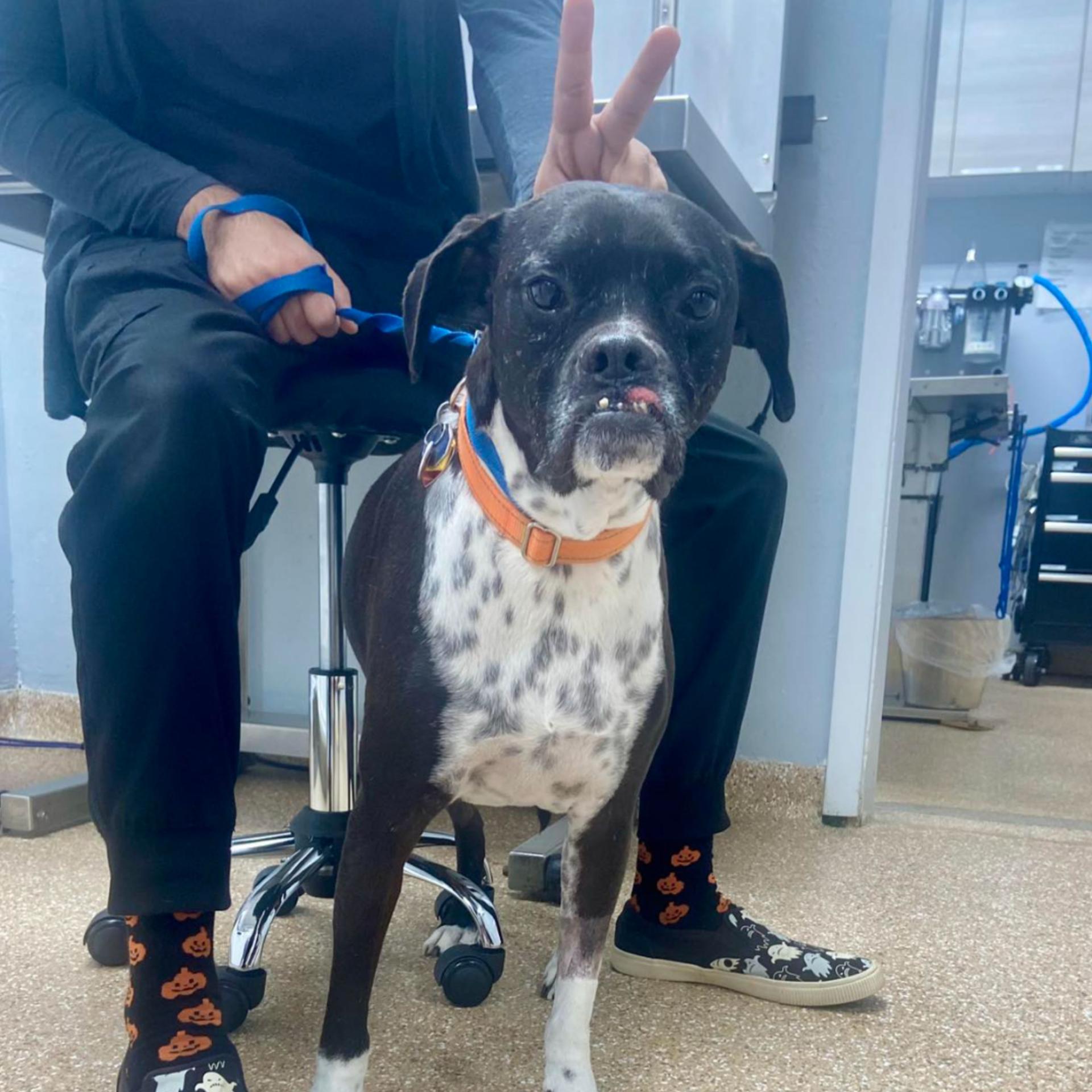
Why Vaccinations Are Important
Vaccines protect pets from contagious and potentially life-threatening diseases. They not only help prevent illness in your pet but also reduce the risk of disease spreading to other pets in your community. Vaccinations support your pet’s overall wellness, strengthen their immune system, and provide peace of mind for pet owners.
Some common diseases that vaccines protect against include:
- Rabies – A fatal viral disease that can affect both animals and humans
- Distemper – A highly contagious viral disease that can be deadly, particularly in puppies
- Parvovirus – A severe intestinal infection that can cause life-threatening dehydration
- Leptospirosis – A bacterial infection that can affect the liver and kidneys
- Feline Leukemia Virus (FeLV) – A virus that suppresses the immune system in cats
- Feline Viral Rhinotracheitis and Calicivirus – Respiratory infections that can be serious in kittens
Dog Vaccines
At Rice Village Animal Hospital, we provide a full range of canine vaccinations designed to protect dogs from both common and serious diseases.
Puppy Vaccination Schedule (8–16 weeks)
Puppies require a series of vaccines starting at 8 weeks of age, with boosters every 3–4 weeks until 16 weeks. Vaccines include:
- Distemper – Protects against a highly contagious viral disease affecting respiratory, gastrointestinal, and nervous systems
- Hepatitis (Adenovirus) – Prevents liver disease caused by canine adenovirus
- Parvovirus – Guards against a severe and often fatal intestinal infection
- Parainfluenza – Helps prevent respiratory infections
- Bordetella (Kennel Cough) – Prevents contagious respiratory disease commonly seen in boarding and dog parks
- Leptospirosis – Protects against bacteria that can infect the liver and kidneys
- Influenza – Guards against canine flu strains
- Rabies – Legally required in most states and protects against a fatal viral infection
Adult Dog Vaccination & Boosters
Adult dogs who have completed their puppy vaccination series receive a booster at one year, along with a heartworm test. Following this:
- Leptospirosis and Heartworm – Checked annually
- Bordetella – Administered every 6–12 months depending on exposure risk
- Distemper, Hepatitis, Parvovirus, Parainfluenza, and Rabies – Administered every three years
These vaccines ensure lifelong protection, prevent outbreaks, and reduce the severity of illness if exposure occurs.
Cat Vaccines
Cats are susceptible to a variety of infectious diseases, many of which can be fatal if left unvaccinated. Vaccinations are especially important for kittens, outdoor cats, and multi-cat households.
Kitten Vaccination Schedule (8–16 weeks)
Kittens require a series of vaccines starting at 8 weeks, with boosters every 3–4 weeks until 16 weeks. Recommended vaccines include:
- Feline Rhinotracheitis – Protects against a viral respiratory infection that can cause eye and nasal disease
- Calicivirus – Guards against another common viral respiratory disease
- Panleukopenia (Feline Distemper) – Prevents a highly contagious and potentially fatal viral infection
- Chlamydia – Helps prevent conjunctivitis in cats
- Leukemia (FeLV) – Protects against a virus that suppresses the immune system
- Rabies – Legally required in many areas
All kittens are also tested for Feline Leukemia Virus (FeLV) and FIV at or after 11 weeks of age to ensure early detection and management.
Adult Cat Vaccination & Boosters
Cats who have completed their kitten vaccines and passed FeLV/FIV testing receive a booster at one year. Afterward:
- Distemper and Rabies – Administered yearly
- Leukemia (FeLV) – Given every three years
We exclusively use Purevax feline vaccines, the safest and most effective option to protect cats against the most common and serious diseases. Purevax vaccines help prevent:
- Feline Infectious Respiratory Diseases
- Feline Viral Rhinotracheitis
- Feline Calicivirus Infection
- Chlamydophila felis Infection
- Feline Panleukopenia
- Feline Leukemia
- Feline Rabies
Your Partner in Preventive Pet Care
Vaccinations are a cornerstone of preventive pet care, but they are only one part of keeping your pet healthy. Regular wellness exams, parasite prevention, nutrition, and dental care all work together to give your pet the best quality of life.
At Rice Village Animal Hospital, our experienced veterinarians and staff are here to guide you through every stage of your pet’s life, providing education, support, and individualized care. Together, we can ensure your dog or cat remains protected, happy, and healthy for years to come. Schedule today.
Frequently Asked Questions
1. Why are vaccinations important for my pet?
Vaccinations protect pets from serious and potentially life-threatening diseases. They also prevent the spread of contagious illnesses to other pets in your community.
2. How often should my dog or cat get vaccinated?
Puppies and kittens receive a series of vaccines in their first few months, followed by boosters at one year. After that, some vaccines are given yearly, while others are given every three years, depending on the disease and your pet’s risk factors.
3. What vaccines does my puppy or kitten need?
Puppies and kittens receive core vaccines that protect against the most common and severe diseases, including Distemper, Parvovirus, Hepatitis, Rabies (dogs), and Rhinotracheitis, Calicivirus, Panleukopenia, Rabies (cats).
4. What vaccines do adult dogs and cats need?
Adult pets who have completed their initial vaccine series receive periodic boosters. Dogs also get annual heartworm and Leptospirosis checks. Adult cats receive boosters for Rabies and Distemper and may get Leukemia vaccines every three years.
5. Are vaccines safe for my pet?
Yes. Vaccines used at Rice Village Animal Hospital are safe and effective. We use age-appropriate protocols and only Purevax vaccines for cats, minimizing the risk of adverse reactions.
6. Can vaccines protect my pet from all diseases?
Vaccines protect against specific contagious diseases but cannot prevent all health issues. Regular wellness exams, parasite prevention, dental care, and proper nutrition complement vaccines for complete preventive care.
7. How do I know which vaccines my pet needs?
Our veterinarians evaluate your pet’s age, lifestyle, and risk factors to create a customized vaccination plan. We guide you through the schedule and answer any questions you may have.
8. What is Purevax and why is it used for cats?
Purevax is a highly effective feline vaccine that protects against the most common and serious diseases, including Feline Viral Rhinotracheitis, Calicivirus, Panleukopenia, Leukemia, and Rabies. It is known for its safety and minimal side effects.