
Pet Dental Care: Why It Matters for Dogs and Cats
According to the American Veterinary Dental Society, 70% of adult cats and 80% of adult dogs show signs of dental disease. Despite how common it is, dental disease often goes unnoticed until it becomes painful or advanced.
At our hospital, we focus on both prevention and treatment to help your pet maintain a healthy mouth and overall well-being.
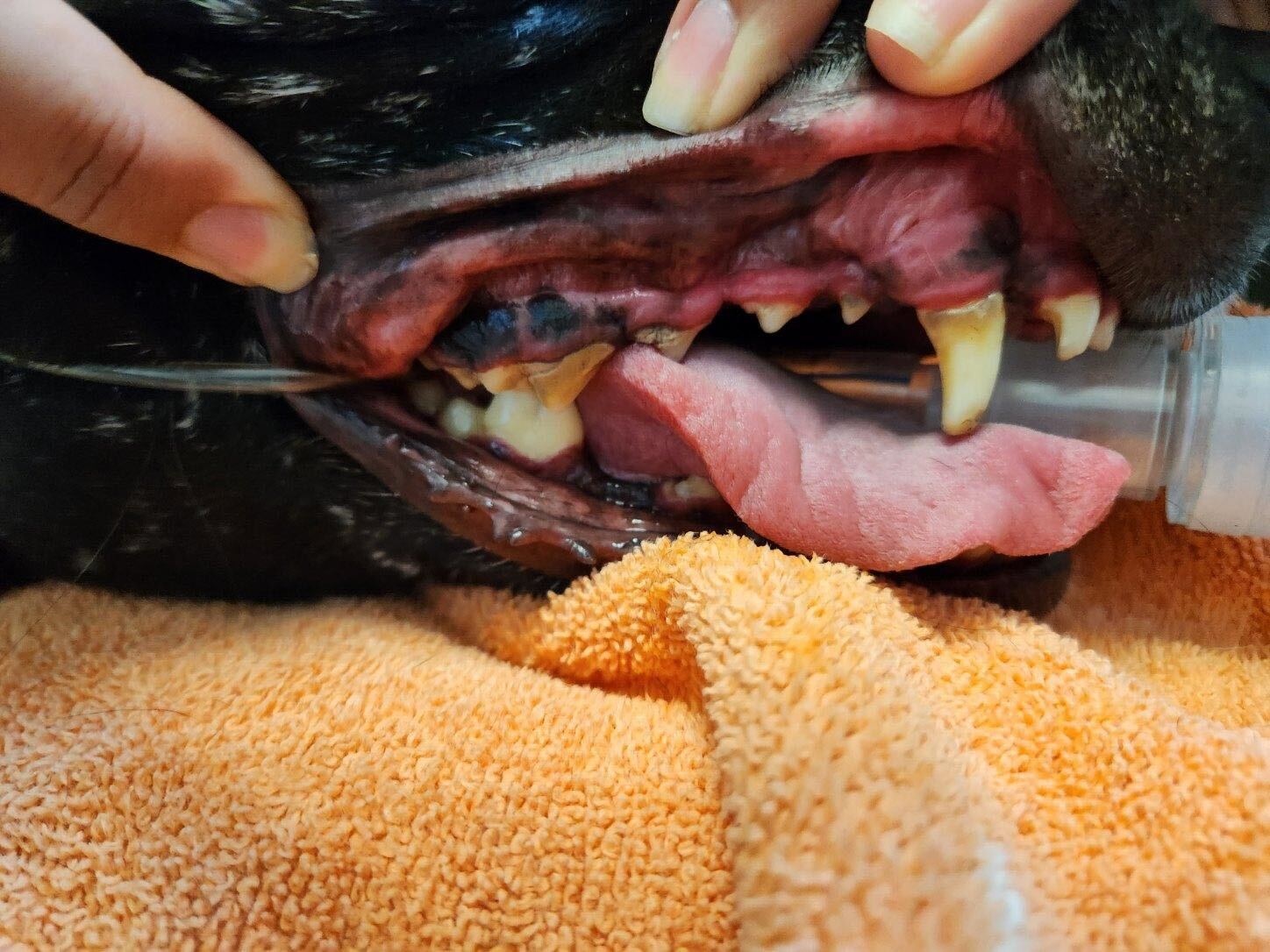
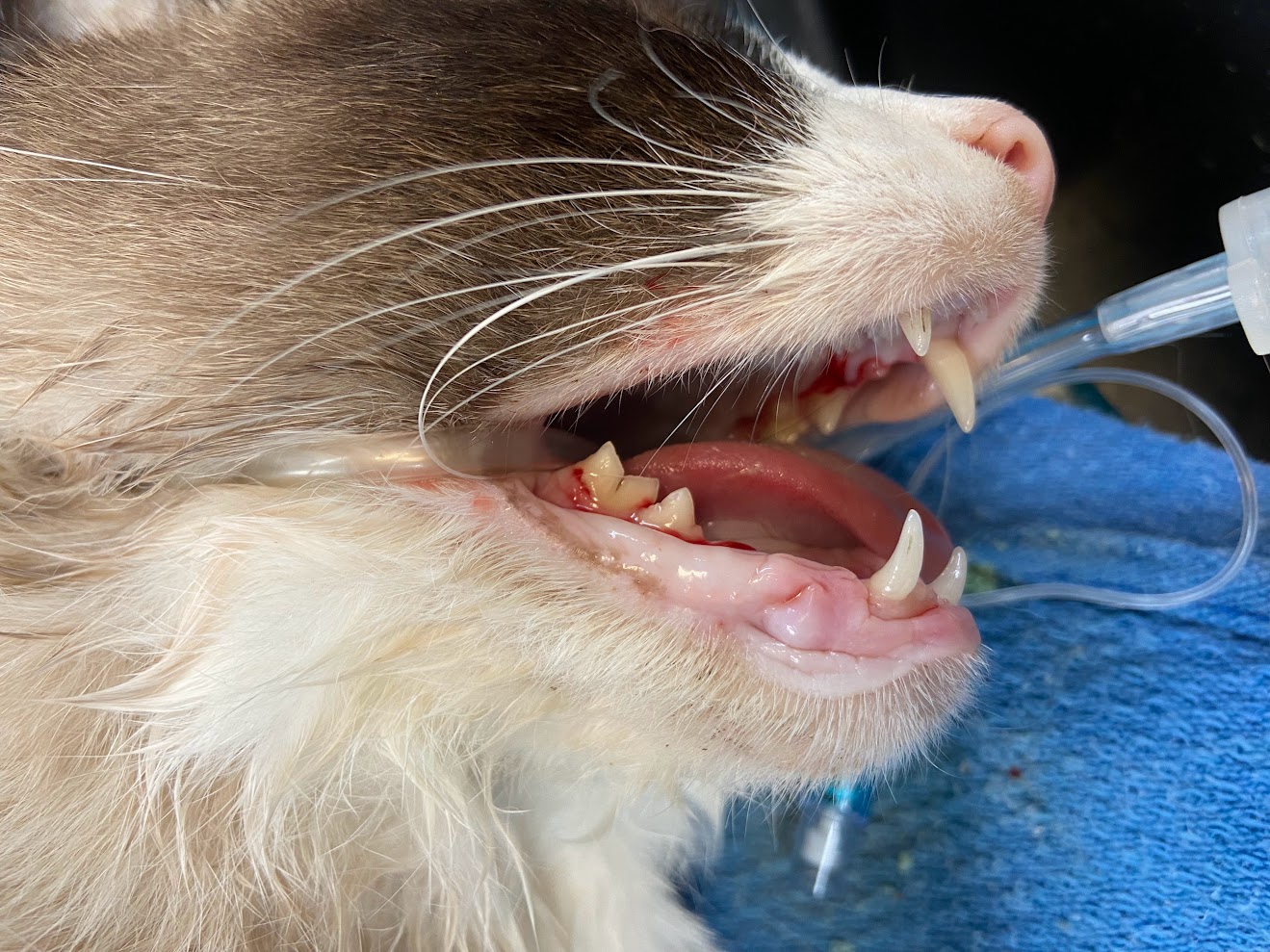
Our Veterinary Dental Services
We offer comprehensive pet dental care for both dogs and cats, including:
-
Professional teeth cleaning and polishing
-
Dental sealants and fluoride treatments
-
Periodontal (gum) disease treatment
-
Digital dental X-rays
-
Tooth extractions and oral surgery
These services help prevent, diagnose, and treat dental disease at every stage.
How Common Is Dental Disease in Pets?
Most pets show signs of dental disease by 2 years of age, and many older pets develop advanced periodontal disease.
Without treatment, this can lead to:
-
Chronic pain
-
Tooth loss
-
Infection that may affect other organs
Routine dental care is essential to keeping your pet healthy and comfortable.
Preventing Dental Disease in Pets
Our goal is to prevent dental disease before it starts. We recommend a combination of:
-
Regular professional dental cleanings
-
At-home dental care
-
Veterinary-approved dental products
The most effective thing you can do at home is brushing your pet’s teeth daily.
How to Brush Your Pet’s Teeth
Brushing your pet’s teeth may sound challenging, but with patience and consistency, it becomes easier over time.
Step-by-Step Guide:
-
Start slowly
Introduce brushing gradually over several weeks. -
Let your pet taste the toothpaste
Use only pet-safe toothpaste. Human toothpaste can upset your pet’s stomach. -
Focus on the gumline
This is where plaque and bacteria build up most. -
Use your finger first
Apply toothpaste to your finger and gently rub along the teeth and gumline, starting with the front teeth and working your way back. -
Introduce a finger brush
Once your pet is comfortable, use a finger brush in a gentle circular motion. -
Transition to a pet toothbrush
When your pet is ready, switch to a soft-bristled toothbrush designed for pets.
Tip: Keep sessions short—just 1 to 2 minutes—and always make the experience positive and stress-free.
Signs Your Pet May Have Dental Disease
Watch for these common signs:
-
Bad breath
-
Red or swollen gums
-
Yellow or brown buildup on teeth
-
Difficulty eating or chewing
-
Pawing at the mouth
If you notice any of these symptoms, it’s time to schedule a dental exam.
Keep Your Pet’s Smile Healthy
Dental health is a key part of your pet’s overall wellness. With regular checkups and consistent at-home care, you can help prevent pain, infection, and tooth loss.
If you have questions about your pet’s dental health or would like to schedule a professional cleaning, contact our team today.
Frequently Asked Questions
How often should I brush my dog’s teeth?
Daily brushing is ideal, but even a few times per week can significantly reduce plaque buildup.
How do I know if my pet needs a dental cleaning?
Signs include bad breath, yellow or brown buildup, red gums, or difficulty eating.
How much does a dog dental cleaning cost?
Costs vary depending on your pet’s needs. We’re happy to provide an estimate after an exam.
My dog has bad breath — is that normal?
Persistent bad breath is often a sign of dental disease and should be evaluated.
Can I brush my cat’s teeth at home?
Yes, with pet-safe toothpaste and gradual training. Regular brushing helps prevent dental disease.
What happens during a pet dental cleaning?
Dental cleanings include a full oral exam, scaling, polishing, and X-rays under anesthesia.
Is anesthesia safe for my pet during a dental procedure?
Modern anesthesia is very safe, and pets are closely monitored throughout the procedure.